
Frequently Asked Questions
Don’t see your question? Reach out and ask!
FAQ
What is Mycelia?
Mycelia is a proposed Residential Treatment Center at the historic Greystone Estate in Evergreen. It will provide structured, extended-stay behavioral health treatment for up to 30 adults.
Mycelia is designed around a whole-person, trauma-informed approach to healing and recovery. The program brings together evidence-based clinical treatment, experiential therapies, functional medicine, sustained personal practice, community, nature, integration, and structured aftercare.
Residents will stay for a minimum of 30 days, with an anticipated average stay of approximately six weeks. Mycelia is a post-stabilization program and will not provide detoxification or acute psychiatric hospitalization.
Who will attend Mycelia's program?
The people who come to Mycelia may look a lot like the people already in our families, workplaces, and communities. They may be parents, spouses, siblings, adult children, friends, professionals, business owners, or community leaders who have continued managing careers, families, and responsibilities while privately struggling with trauma, depression, anxiety, substance use, or other behavioral health challenges.
Behavioral health challenges cross lines of career, education, achievement, and financial circumstance. Someone can be highly accomplished, deeply loved, and outwardly successful while still reaching a point where meaningful help is needed.
What brings them to Mycelia is not a particular diagnosis or identity, but a shared desire for a safe, structured environment in which to better understand the underlying sources of their distress, engage deeply in treatment and recovery, and develop tools that support lasting stability, connection, and well-being.
Mycelia will serve adults who have been determined to be appropriate for this level of residential care and who are ready to engage deeply in treatment and meaningful change.
Will people from Evergreen and Jefferson County be able to attend Mycelia?
Yes. Mycelia is designed to serve individuals from Evergreen, Jefferson County, communities throughout Colorado, and beyond who may benefit from the program.
Mycelia also intends for partial and full scholarship assistance to be an important part of its operating model. Scholarship consideration will prioritize Evergreen residents, followed by Jefferson County residents, Colorado residents, and applicants from outside Colorado, subject to available funding and eligibility requirements. Special consideration is also intended for military veterans.
What is being proposed at Greystone?
Mycelia proposes to adaptively reuse Greystone's existing estate as a small Residential Treatment Center serving no more than 30 adults.
The program will operate primarily within Greystone's existing buildings and developed areas. A state-licensed Natural Medicine Healing Center is also proposed as an accessory component of the residential treatment program.
This is not a proposal to construct a new treatment campus. The fundamental idea is to use the extraordinary environment that already exists at Greystone while investing in its buildings, preserving its historic character, and stewarding its surrounding land.
What makes Mycelia's approach to treatment different?
Mycelia is built on a simple premise: treatment is not one-size-fits-all, and lasting healing rarely comes from addressing only one part of a person's experience.
What makes Mycelia distinctive is the intentional integration of a broad range of clinical, therapeutic, experiential, and restorative approaches within one residential program. Rather than offering individual therapies in isolation, each resident's care will be personalized around their needs, history, goals, and progress.
Depending on the individual, the program may integrate evidence-based psychotherapy, Internal Family Systems (IFS), EMDR, Brainspotting, Somatic Experiencing and other somatic therapies, neurofeedback, functional medicine, recovery support, meditation, breathwork, yoga, physical activity, nutrition, nature-based practices, and other mind-body and experiential approaches. Mycelia may also incorporate principles of 12-Step recovery, including self-examination, accountability, community, service, and sustained recovery support, when therapeutically relevant.
A particularly important part of the model is Sādhanā, or sustained personal practice. Residents will be supported in developing individualized practices that may draw from contemplative, physical, creative, self-regulation, and mind-body disciplines. The purpose is to move beyond treatment as something that happens to a person and help residents develop practices they can actively carry into their lives.
The residential environment adds another dimension. Shared meals, community, time in nature, movement, reflection, and relationships with others engaged in their own healing become part of the therapeutic experience. Treatment is therefore not confined to a therapy room or a scheduled appointment; the different elements of the program are designed to reinforce one another throughout the residential stay.
When clinically appropriate, state-regulated natural medicine may provide another therapeutic tool within this broader continuum. It will not define the Mycelia program or be appropriate for every resident. When used, it can be integrated with preparation, supervised administration, clinical support, personal practice, and meaningful integration afterward.
And importantly, the work does not simply end when someone leaves Greystone. Structured integration, aftercare, and continued community support are designed into the model from the beginning, helping residents translate what they have learned and practiced at Mycelia into their relationships, work, families, and everyday lives.
The uniqueness of Mycelia is not any one modality. It is the intentional way these different forms of care, practice, community, nature, and continued support are brought together into one individualized continuum designed to address underlying issues and support deeper, more lasting change.
Why is Greystone the right place for Mycelia?
The setting is an important part of the treatment model.
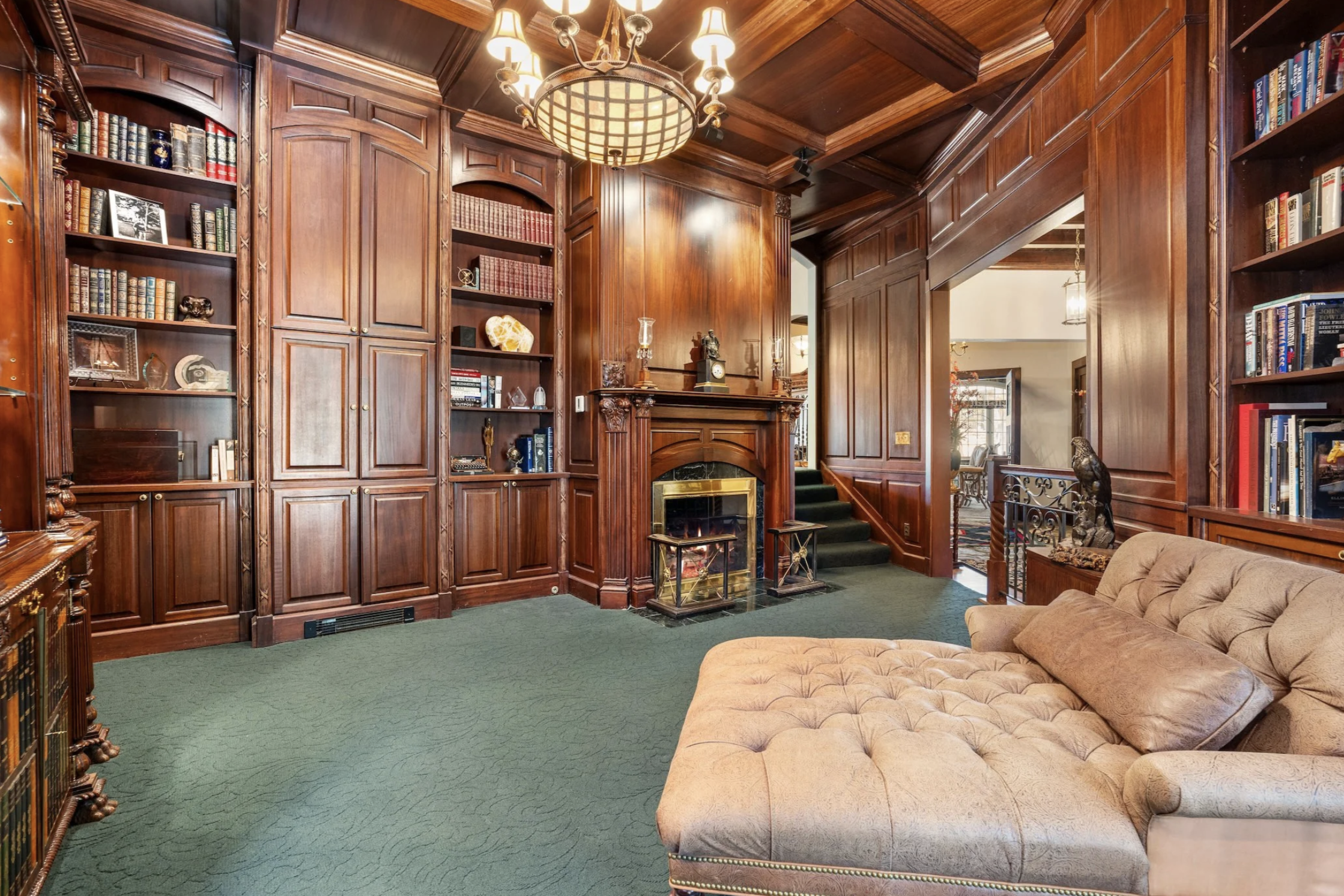
Greystone's existing buildings provide a comfortable, high-quality residential environment with individual bedrooms and shared living, dining, kitchen, and gathering spaces. This creates a balance between personal privacy and meaningful connection with others participating in the program.
That shared residential experience is intentional. Healing does not occur only during scheduled therapy. Sharing meals, conversations, daily routines, and experiences with others engaged in their own treatment can help foster connection, trust, accountability, and community.
Immediately beyond the residential environment are approximately 54 acres of forest, meadow, varied topography, and natural landscape. Residents can move between structured treatment, shared residential life, personal reflection, physical activity, and time in nature within one cohesive environment.
Most importantly, this environment already exists. Mycelia can create an immersive residential treatment experience without constructing a new institutional campus or substantially changing the character of Greystone.
What experience does the Mycelia team have?
Mycelia is being developed by a multidisciplinary team with deep experience across behavioral health and recovery, psychotherapy, medicine, clinical operations, research, functional medicine, trauma-informed treatment, and psychedelic-assisted therapy.
The team's clinical leadership includes a Harvard-trained psychologist with nearly three decades of psychotherapy experience, including advanced training in psychedelic therapy and Internal Family Systems. The broader team includes an internationally recognized researcher and functional-medicine practitioner, as well as medical leadership with experience spanning patient care, clinical operations, and psychedelic-assisted therapy.
This professional expertise is complemented by experience working within behavioral health and recovery settings, lived experience of recovery, and longstanding contemplative practice that helped shape the vision for Mycelia.
Together, the team brings clinical rigor, medical and scientific expertise, operational experience, lived experience, and established contemplative traditions to a residential model designed around whole-person, root-level healing and sustained change.
How will Mycelia be licensed, regulated, and held accountable?
Mycelia will operate within multiple layers of professional, State, and local oversight.
The Residential Treatment Center will be subject to applicable State of Colorado licensing and operating requirements. Clinical and medical professionals will be responsible for practicing within their individual licenses, credentials, and professional scopes of practice.
The Natural Medicine Healing Center will be separately licensed and regulated under Colorado's Natural Medicine framework, with natural medicine services provided by appropriately licensed professionals.
These requirements are in addition to Jefferson County land-use requirements, building and fire codes, health and life-safety requirements, emergency planning, and Mycelia's comprehensive Operations Plan.
In other words, Mycelia will not operate solely under its own internal policies. Accountability exists at the property, program, facility, and individual professional levels.
What is a licensed Natural Medicine Healing Center?
A Natural Medicine Healing Center is a State-regulated location where natural medicine services may legally be provided under Colorado law.
At Greystone, the Healing Center will not be a stand-alone business, psychedelic retreat, or facility serving the general public. It will operate only as an accessory component of Mycelia's Residential Treatment Center.
Natural medicine will not be appropriate for every resident. When it is incorporated into an individual's treatment, it will occur within a broader process that may include screening, preparation, supervised administration, clinical support, integration, sustained personal practice, and aftercare.
Is Mycelia a detox facility or acute psychiatric facility?
No. Mycelia is a post-stabilization residential treatment program.
Residents must be able to safely and appropriately participate in this level of residential care. Mycelia will not provide detoxification or acute psychiatric hospitalization.
If someone's medical or behavioral-health needs require detoxification, hospitalization, or another level of care, that individual will be referred or transferred to an appropriate provider.
What is the Operations Plan?
The Operations Plan will establish the detailed framework for how Mycelia operates every day.
It will address matters including admissions and discharge, staffing, resident programming, visitors, transportation, deliveries, emergency procedures, natural medicine protocols, property management, and other operational responsibilities.
Professional staff will be present 24 hours a day, seven days a week. Access to Greystone will be controlled, residents generally will not have personal vehicles on-site, and visitors will be limited to approved guests during designated periods.
The Operations Plan complements the County's land-use requirements by translating the project's commitments into detailed operating policies and procedures.
How will emergencies be handled?
Mycelia will maintain written protocols for medical and behavioral-health emergencies as well as a site-specific Emergency and Evacuation Plan.
The plan will address wildfire, severe weather, evacuation, transportation and mobility needs, resident and staff accountability, communications, relocation procedures, and coordination with emergency responders.
Because Mycelia is a professionally managed residential program, staff will be on-site around the clock to coordinate residents and implement emergency procedures when necessary.
What improvements will be made at Greystone?
The project is fundamentally about adaptive reuse rather than new development.
Mycelia's primary activities will occur within Greystone's existing buildings and developed areas. Improvements are anticipated to focus primarily on building rehabilitation, interior modifications, accessibility, fire and life-safety improvements, and upgrades required by applicable building, health, fire, and licensing requirements.
Mycelia is not proposing to construct a significant new treatment campus or substantially expand development across the Estate.
What will happen to the rest of Greystone's land?
The substantial acreage surrounding Greystone's primary developed area will remain predominantly forested and natural in character.
These areas may support low-impact activities such as walking, reflection, meditation, movement, nature immersion, and other passive recreational and therapeutic activities. They are not intended to become an expanded treatment campus.
Long-term management of these areas will instead emphasize forest health, wildfire mitigation, responsible vegetation management, preservation of the natural setting, and stewardship of the land.
How will Mycelia preserve Greystone's historic character?
Greystone has been part of the Evergreen landscape for more than a century, dating to 1914. Its history includes residential use as well as decades operating as a private guest ranch accommodating extended-stay guests, dining, gathering, and recreation.
Mycelia's approach is to give the Estate a meaningful next chapter through adaptive reuse rather than redevelopment.
The project will reinvest in Greystone's existing structures, and a Jefferson County historic landmark application is being prepared. Historic preservation, building rehabilitation, forest management, wildfire mitigation, and long-term property stewardship are all part of the vision.
The objective is to preserve Greystone by giving it a viable use that works with what is already there.
How will Mycelia affect traffic?
Mycelia is expected to result in a relatively modest increase in traffic compared with Greystone's existing use.
Residents stay for extended periods, will not have their own vehicles, and the Healing Center will not serve the general public. The property therefore will not experience the regular turnover associated with an outpatient facility or more intensive commercial use.
An independent Transportation Analysis concluded that Mycelia's traffic can be accommodated by the existing road network and site access without requiring roadway or nearby intersection improvements as a result of the proposed use.
It is also important context that residential subdivision and development of Greystone at densities allowed under existing zoning could generate significantly more traffic than Mycelia.
Where will people park?
All required parking will be accommodated on the Greystone property.
The plan provides 25 spaces for staff, support personnel, and volunteers, plus three guest spaces. Existing garages, pavement, and developed areas will be used to the greatest extent practicable.
Residents generally will not have personal vehicles during their stay, further reducing parking demand and vehicle activity.
Does Greystone have enough water for Mycelia?
Yes. Water-rights counsel evaluated the proposed program using conservative operating assumptions.
The analysis concluded that anticipated in-building demand can be accommodated within the 2.0 acre-feet per year authorized under Greystone's existing water-rights decree and that the project can be served without modification to the existing decree or other legal authorizations.
How will wastewater be handled?
Greystone is served by the Evergreen Metropolitan District for wastewater service.
A Will-Serve letter is included with the land-use application confirming the District's ability to provide wastewater service to the project.
How are wildfire risk and forest health being addressed?
Wildfire mitigation is both a life-safety priority and an important part of Mycelia's long-term stewardship of Greystone.
Significant mitigation has already occurred, including removal of more than 300 trees, vegetation management around structures, forest thinning, mountain pine beetle management, and maintenance along the primary driveway.
A professional Wildfire Hazard Mitigation Plan has also been prepared for the property. It establishes recommendations for continued defensible-space management, forest thinning, pruning, ladder-fuel removal, emergency access, forest health, debris management, and ongoing maintenance.
Greystone also has existing firefighting water resources, including a 20,000-gallon buried cistern connected to an on-site fire hydrant, an irrigation tank, swimming pool, and pond.
Mycelia will be a non-smoking campus and will comply with applicable Jefferson County wildfire, building, and fire-life-safety requirements.
How will noise, visitors, and activity on the property be managed?
Mycelia is intended to maintain the quiet, peaceful residential character of Greystone.
Outdoor activities will primarily consist of low-impact uses such as walking, meditation, yoga, exercise, nature immersion, and small-group therapeutic programming. Outdoor amplified sound will not be permitted, and applicable residential noise standards will apply.
Greystone will not be open to unrestricted public access. Visitors will be limited to approved guests, and deliveries, service providers, and other activity will be managed as part of Mycelia's operations.
Why is rezoning being requested?
A Residential Treatment Center is already a use that may be considered within Greystone's existing A-2 zoning through Jefferson County's Special Use process.
Planned Development zoning is being requested principally to allow a state-regulated Natural Medicine Healing Center to operate as an accessory component of the Residential Treatment Center and to establish a property-specific framework governing Mycelia.
The proposed Official Development Plan establishes enforceable limits including the 30-resident maximum, minimum 30-day stay, restrictions on accessory uses, parking and noise requirements, primary use of existing buildings and developed areas, and limitations on significant new development.
The proposed zoning is therefore specifically tailored to Mycelia rather than broadly authorizing unrelated commercial, clinical, or group-living uses at Greystone.